The moment it tips: why we often eat too much exactly then

Many people experience the same moment over and over: the day was actually going quite well, then something happens, stress, frustration, exhaustion, and suddenly the eating plan is forgotten. It's exactly this "tipping moment" that often makes losing weight feel like a constant battle.
Interestingly, in such situations it rarely has anything to do with real hunger. Much more often it's about coping with a feeling, and food becomes the quick, available means to release pressure or calm down.
Please note: Balance Alligator is not a medical device and not a medication. It is not intended to diagnose, treat or cure any illness. It is a mechanical everyday aid designed to support people in shaping their eating habits more consciously in daily life.
Why eating habits often tip in stressful moments
In stressful situations, the body looks for quick relief. Food is available, familiar and linked by the brain to short-term reward. That's how reaching for food becomes an automatic pattern, especially when this behaviour has been practised for years.
The problem is that what feels calming in the moment often leads to frustration with yourself later. This increases the inner pressure, and the next tipping moment becomes even more likely, a cycle that is hard to break.
Which everyday triggers are typical
Tipping moments can look very different:
an exhausting workday
conflicts or tension
loneliness or feeling overwhelmed
the feeling of "it doesn't matter anymore anyway"
late evening hours, when the energy for conscious decisions runs low
Often it's not the whole day that is "bad", but one very specific moment. If you learn to recognise these situations better, you understand more quickly when the risk of uncontrolled eating is highest.
Why hunger is not always the real reason
In many tipping moments, it's more about emotions than physical need. That explains why very specific foods often come to mind: something sweet, something crunchy, something "rewarding". This suggests that appetite and emotions play a bigger role here than hunger.
It's important not to see this as weakness, but as a pattern that has developed over time. Only once it's clear that feelings are involved can you even start looking for other ways of dealing with them.
How to spot critical moments earlier
The first step is to become more aware of your typical triggers. It can help to write down for a few days:
When does it tip?
What happened just before?
How did you feel?
Bit by bit, a picture emerges of which situations put you most at risk of eating "on autopilot".
This awareness alone can create a small gap. Instead of heading straight to the kitchen, there is room for the question: "What do I really need right now, food or something else?"
Which routines can help you steer against it
No one can avoid every tipping moment. But it is possible to build small routines that support you in such situations, for example:
take a few deep breaths and count to ten in your head
drink a glass of water and wait two minutes
message someone or step outside briefly
allow yourself to plan meals consciously instead of eating impulsively
What matters is not expecting everything to work perfectly overnight. Even if just a few tipping moments go differently than before, that's progress.
How an everyday aid can support you here
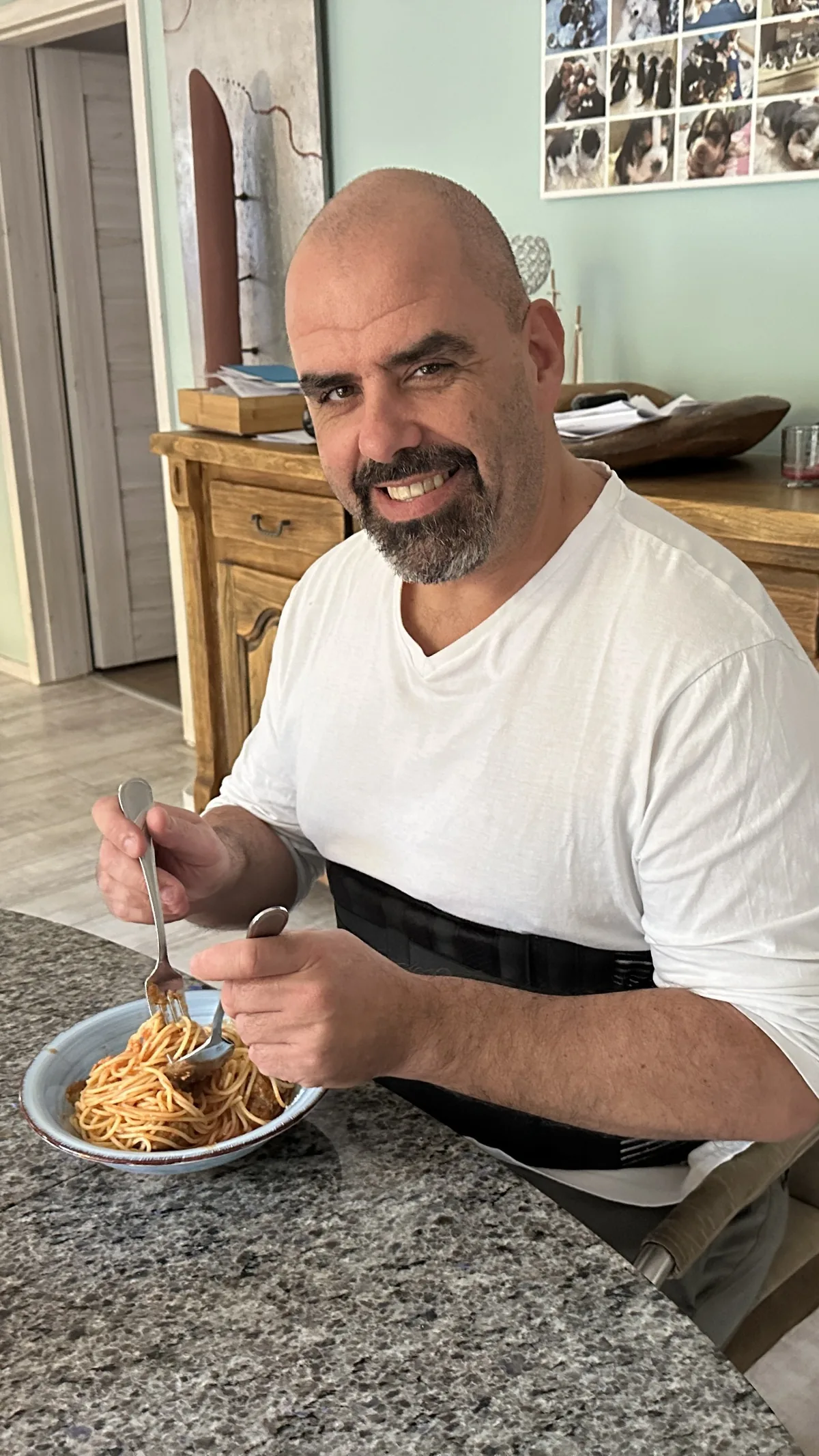
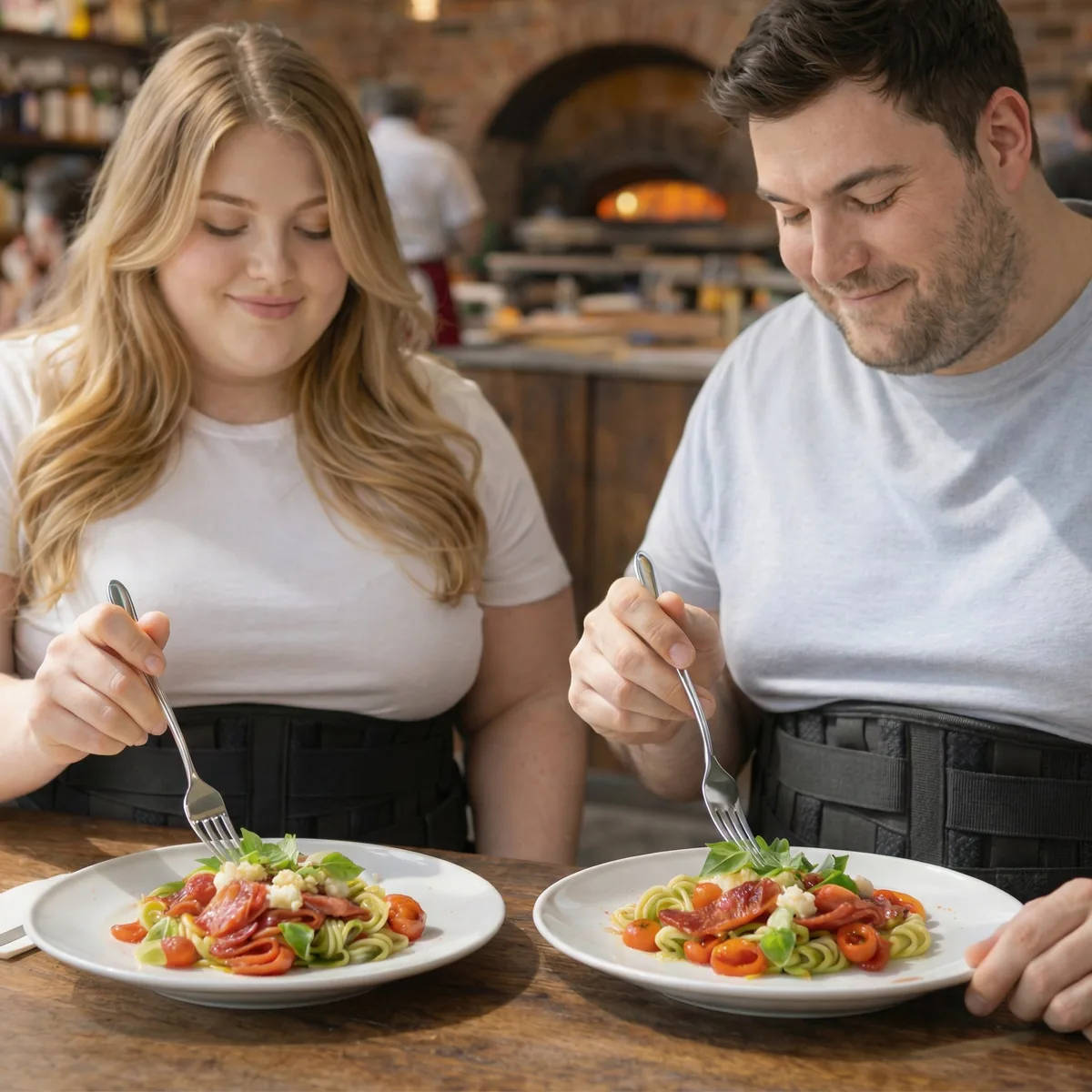
A mechanical everyday aid cannot resolve feelings. But once you've decided to eat, it can help you eat smaller portions more consciously and take your satiety signal seriously. That is especially helpful if you tend to eat very large amounts in tipping moments.
The emotional work still stays with you, but you have a tool that helps you bring your decision and your eating habits into better alignment.
Frequently asked questions about these "tipping moments"
Why does it always tip in the same situations?Because habits have formed there over time: certain feelings → food as an automatic response.
Am I just weak-willed?No. You're responding with a pattern that brings short-term relief but isn't helpful in the long run. Patterns can be changed, step by step.
What can I actually do?Recognise your typical triggers, build in small alternatives, decide more consciously and give yourself time to practise new responses.
Conclusion and next step
The moment it tips often determines your everyday life more than any diet rule. If you understand which situations are risky for you and how you can respond differently, losing weight becomes less of a battle and more of a process in which you get to know yourself better.
In our FAQ you'll find more answers about emotional eating, hunger, appetite and practical everyday support. There you'll also learn what role the Balance Alligator can play as a mechanical everyday aid when it comes to eating more consciously in difficult moments.
Support satiety mechanically
No injections, no surgery, no medication. Try it risk-free for 30 days.
View product