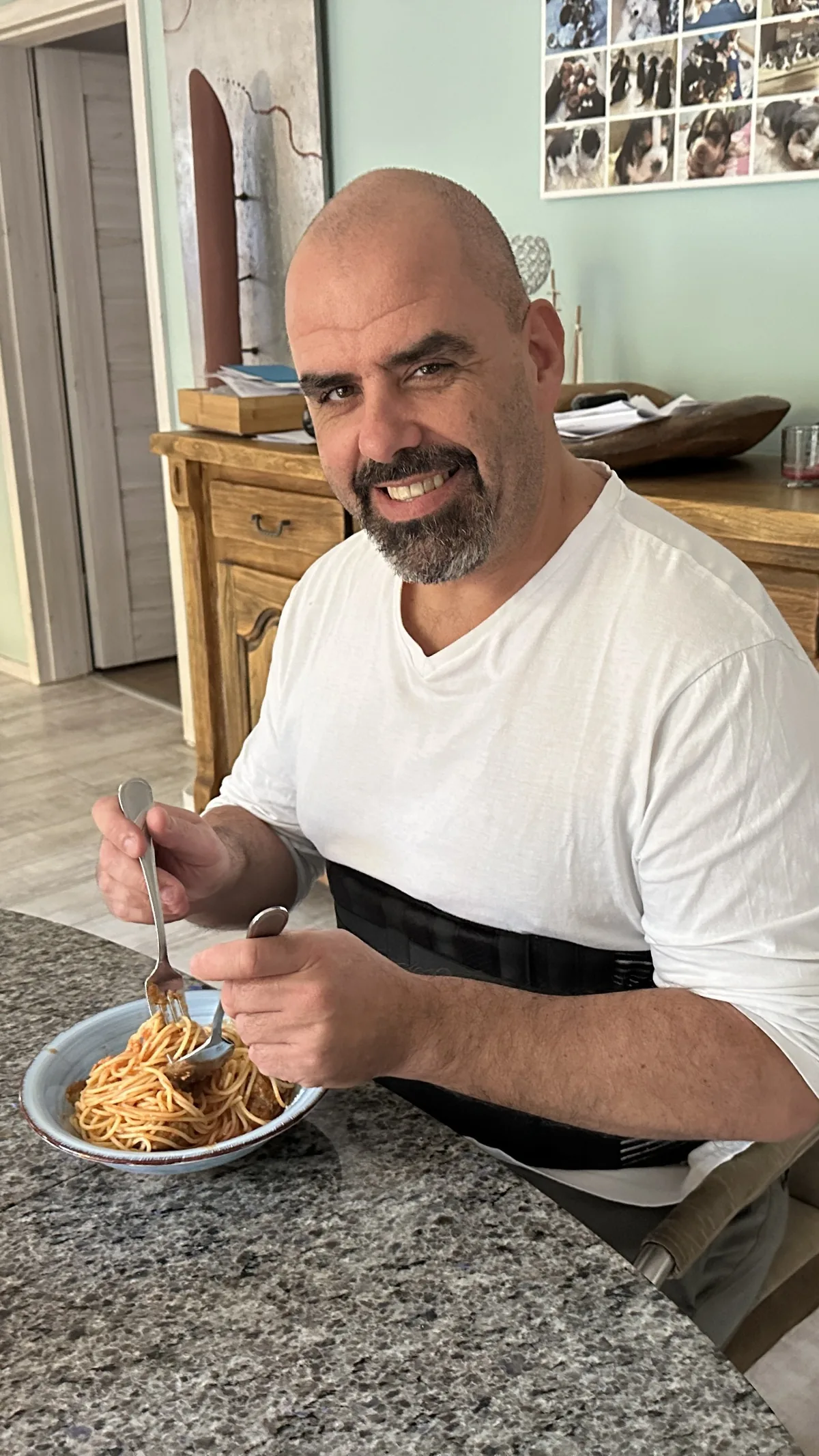
Ending the inner battle: less hunger, more ease
For many people, losing weight feels like a constant battle against themselves: against hunger, against cravings, against old habits. From the outside it looks like a "lack of discipline"; on the inside it's often simply strenuous and exhausting.
Frequently, knowledge isn't the problem. Most people have long known what "healthy" would look like. The problem is everyday life. Constant hunger, stress, emotions and routines make it hard to put into practice what you know in theory.
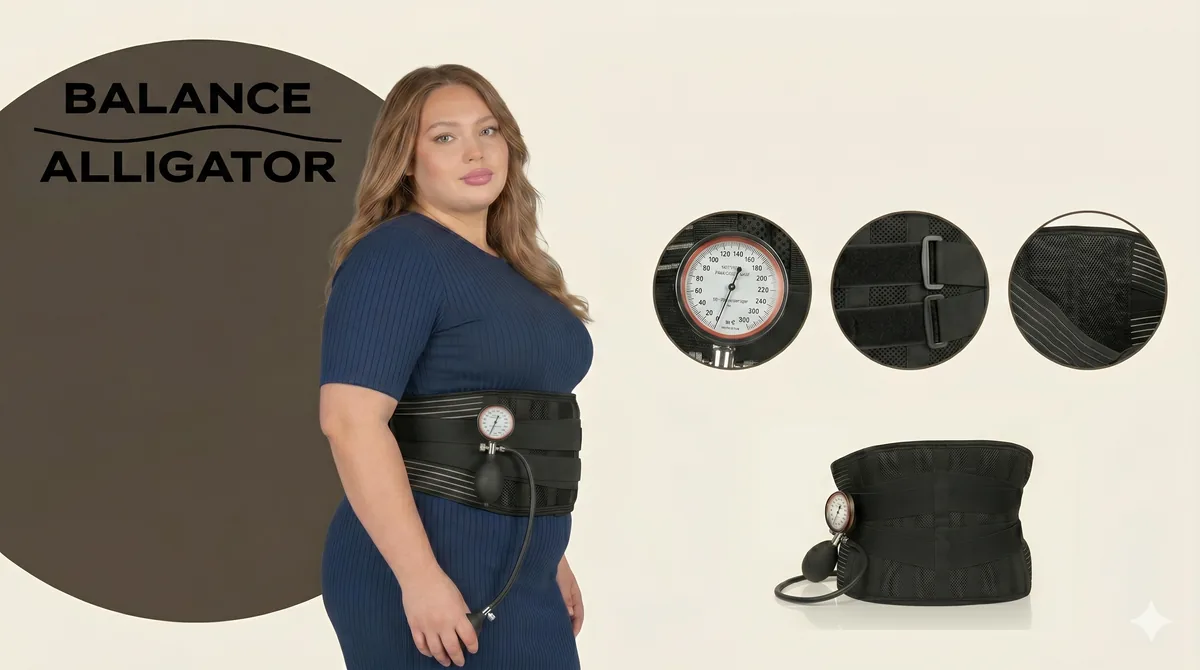
Please note: Balance Alligator is not a medical device and not a medication. It is not intended to diagnose, treat or cure any illness. It is a mechanical everyday aid designed to support people in shaping their eating habits more consciously in daily life.
Why losing weight often feels like an inner battle
Many diets work on the principle of "be strict, hold out, pull yourself together". As long as that works, it feels controlled. But as soon as tiredness, stress or frustration come into play, this control quickly breaks down, and that's exactly when the inner argument with yourself begins.
This back and forth costs energy: one part of you wants to do everything right, another part simply wants calm, reward or relaxation. If food has become the "solution" for all these inner tensions, every attempt to eat less automatically feels like a fight.
Why the problem is often not discipline but constant hunger
Many people underestimate how strongly hunger influences thinking. If you permanently eat too little, run a very large deficit or skip meals, you often experience a body that constantly speaks up, with cravings, inner restlessness and endless thoughts about food.
When hunger is constantly at the forefront, staying calm becomes hard. In that case, the person isn't "too weak"; the body is simply loud. In a situation like this, every small temptation becomes a big challenge, and the inner battle grows more intense.
Why many people overwhelm themselves in everyday life
Added to this, many try to change "everything at once": eat less, move more, overhaul everything, plan perfectly. That may work for a few days, but in the long run it becomes overwhelming. After all, everyday life stays the same: work, family, obligations, emotions.
If you then also demand of yourself that everything be flawless, the pressure is complete. One small slip immediately feels like failure, and that's exactly what often triggers the "it doesn't matter anymore anyway" feeling that leads back into old patterns.
How more ease around eating can develop
Ease doesn't mean you should stop caring. It rather means allowing yourself to think in smaller, manageable steps. Instead of "everything perfect", rather "what's one small step that's possible today?".
That includes, for example:
more regular meals, so hunger doesn't escalate completely
eating at a calmer pace, so you can notice fullness at all
more conscious portions that are neither tiny nor oversized
slightly kinder thoughts about yourself when things don't go perfectly
This "quieting down" in your head is often the decisive difference between a constant battle and a path you can sustain over time.
Why everyday-friendly solutions often work better than extremes
Extreme solutions feel impressive at first: lots of restriction, lots of rules, quick results. But they rarely fit into a genuinely full life for long. Everyday-friendly solutions are less spectacular but considerably more stable.
They are based on what you can actually manage every day, not on what might be possible in a perfect week. And it's exactly this realistic view that often brings ease back, because it doesn't constantly compare you to an ideal that's set too high.
How an everyday aid can support you
A mechanical everyday aid can't replace your decisions, but it can help you follow through on them more easily. If you already know that smaller portions, calmer eating and an earlier feeling of fullness would do you good, this kind of support can simplify your everyday life.
What matters is seeing it as a tool, not a miracle cure. It can accompany you so you have to fight less once you've made a good decision, but it doesn't replace your willingness to change things step by step.
Frequently asked questions about the "inner battle" when losing weight
Why do I feel like I'm always fighting against myself?Because one part of you wants change while another part links food with relaxation, comfort or reward. Holding both at once is exhausting.
Am I simply not consistent enough?In most cases, no. Many people rather have rules and expectations that are too harsh and can hardly be met in everyday life.
How can I start reducing the pressure?By choosing smaller, realistic steps, taking hunger seriously instead of ignoring it, and allowing yourself to learn something from every day instead of condemning yourself for every "mistake".
Conclusion and next step
Ending the inner battle doesn't mean giving up. It means changing your path so that it fits you. The less you work against your body and your everyday life, the more ease can develop, and the greater the chance that you'll truly stay with it.
If you recognise yourself in this inner back and forth, take a look at our FAQ. There we answer more questions about hunger, satiety, appetite and practical everyday support, and explain what role the Balance Alligator can play as a mechanical everyday aid.
Support satiety mechanically
No injections, no surgery, no medication. Try it risk-free for 30 days.
View product